

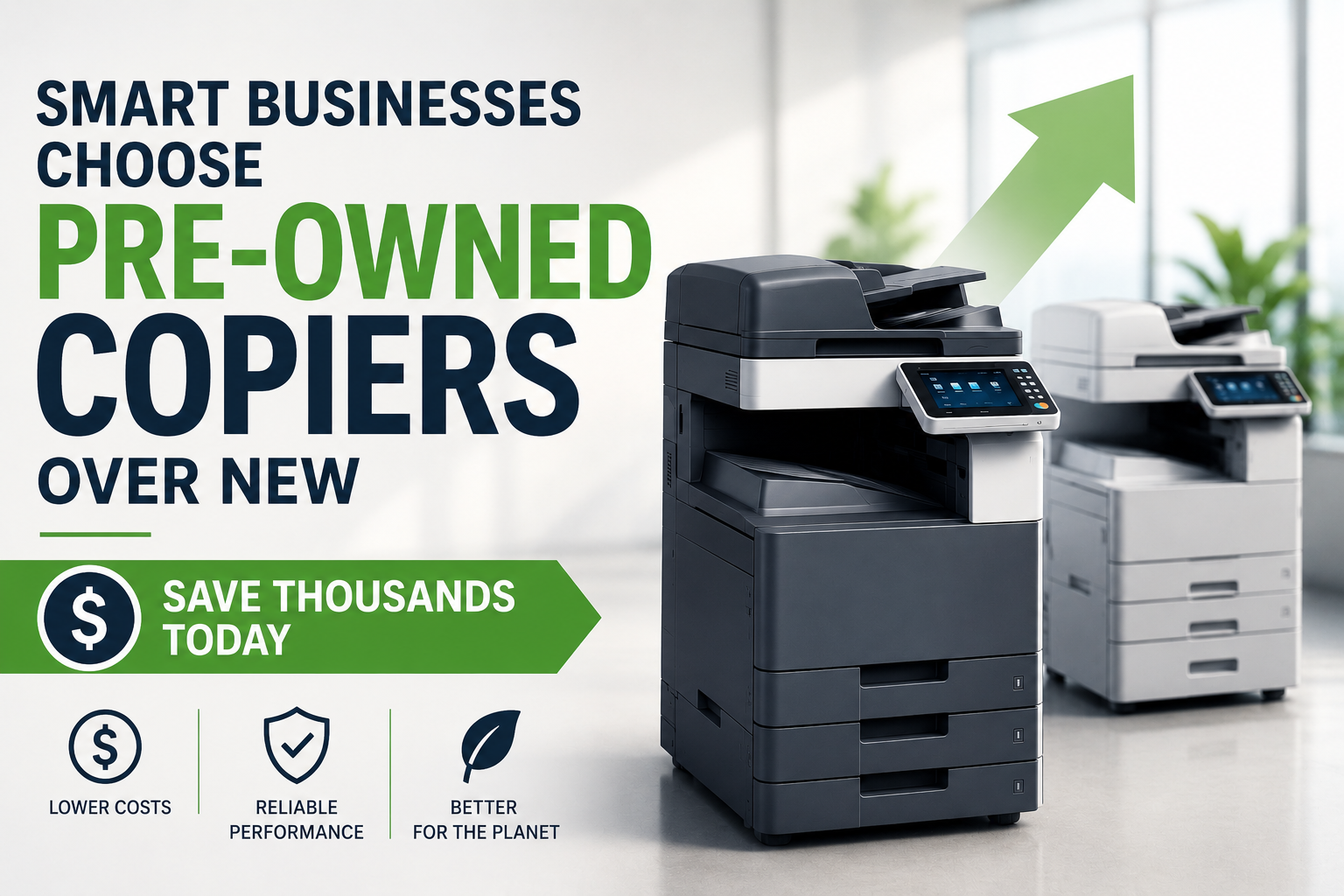
Why Paying More for New Copiers Is Costly
Purchasing new copiers often leads businesses to overlook the hidden costs associated with their high price tags. While the allure of cutting-edge technology is undeniable, the financial implications can be significant. New copiers often require substantial upfront investments, not to mention ongoing maintenance and operational expenses that can accumulate over time. In contrast, pre-owned copiers present a compelling alternative, offering substantial copier cost savings without sacrificing functionality. These machines, often refurbished to meet stringent standards, can provide comparable performance at a fraction of the price. Additionally, businesses can allocate their resources more effectively, investing in other critical areas instead of tying up cash in expensive new models. By weighing the benefits of new vs pre-owned copiers, organizations can make informed decisions that enhance their financial health while still meeting operational needs. Ultimately, the choice of pre-owned copiers can lead to significant long-term savings.
How to Ensure Refurbished Copiers Are Reliable?
Ensuring the reliability of refurbished copiers is vital for businesses seeking cost-effective solutions without compromising performance. To achieve this, organizations should partner with reputable dealers who provide thorough refurbishment processes, including meticulous inspections and quality testing. This guarantees that the refurbished copiers meet stringent operational standards.
Additionally, obtaining a warranty is important. A solid warranty reflects the dealer’s confidence in the reliability of their used copiers, offering businesses peace of mind. Moreover, reviewing customer testimonials and case studies can provide insights into the performance and longevity of specific models.
It is also advisable to understand the copier’s maintenance history and any previous usage, as this information can indicate potential reliability concerns. Finally, organizations should consider models known for durability and efficiency, ensuring they invest in reliable used copiers that can sustain demanding workloads over time.
Must-Have Features in Refurbished Copiers
When selecting refurbished copiers, businesses should prioritize essential features that enhance functionality and efficiency. High-quality used copiers can greatly impact a company’s productivity and operational flow. Here are three must-have features to evaluate:
1. Print Speed: A copier’s speed, measured in pages per minute (PPM), is critical for high-volume environments, ensuring timely document processing.
2. Scanning Capabilities: Advanced scanning features, such as duplex scanning and OCR (Optical Character Recognition), streamline workflows and improve document management.
3. Connectivity Options: Robust connectivity, including wireless and mobile printing capabilities, allows seamless integration with existing office infrastructure and enhances versatility.
Environmental Impact of Choosing Refurbished Copiers
Selecting refurbished copiers not only enhances operational efficiency but also contributes positively to environmental sustainability. The environmental impact of choosing refurbished copiers is significant, as it mitigates waste and reduces the demand for new manufacturing processes. By opting for pre-owned copier benefits, businesses actively participate in resource conservation.
Refurbished copiers typically require fewer raw materials for production, thereby lessening the carbon footprint associated with new equipment manufacturing. Additionally, these copiers extend the lifecycle of existing machines, preventing them from entering landfills prematurely. The reuse of technology aligns with the principles of a circular economy, promoting sustainability in corporate practices.
Furthermore, choosing refurbished copiers often involves less energy consumption, both in production and operation, further enhancing their eco-friendly profile. Consequently, businesses that select refurbished equipment not only achieve financial savings but also demonstrate a commitment to environmental stewardship.
Tips for Transitioning to Pre-Owned Copiers
Shifting to pre-owned copiers can be a seamless process when businesses approach it with a clear strategy. To guarantee an effective shift, consider the following tips:
1. Research Certified Pre-Owned Copiers: Verify that the copiers are certified, confirming they meet high standards of quality and performance.
2. Assess Your Needs: Analyze the specific requirements of your business, such as volume, speed, and functionality. This will guide you in selecting the best model.
3. Evaluate the Supplier: Investigate the reputation and support services of the supplier. A reliable vendor will provide warranties and maintenance options, enhancing the longevity of your investment.
Frequently Asked Questions
What Brands Offer the Best Pre-Owned Copiers?
Several brands are renowned for offering high-quality pre-owned copiers, including Canon, Xerox, Ricoh, and Konica Minolta. These manufacturers consistently produce reliable machines known for their durability and advanced technology. Businesses seeking cost-effective solutions often find that pre-owned models from these brands maintain performance comparable to new units. Additionally, thorough refurbishment processes guarantee that these copiers meet operational standards, providing exceptional value without compromising on quality or functionality.
How Do I Maintain a Refurbished Copier?
Maintaining a refurbished copier requires regular attention to several key areas. First, users should consistently check and replace toner cartridges as needed. Cleaning the device, including the drum and rollers, prevents paper jams and guarantees high-quality prints. Additionally, regular software updates and firmware checks enhance functionality. Finally, scheduling professional maintenance at recommended intervals can prolong the copier’s lifespan, assuring it operates efficiently and remains a reliable asset for the business.
Can I Finance a Pre-Owned Copier?
Yes, financing a pre-owned copier is often possible. Many vendors and financial institutions offer tailored financing options for refurbished equipment, allowing businesses to acquire necessary technology without a large upfront investment. These financing plans can include flexible payment terms and competitive interest rates, making it easier for organizations to manage their budgets while accessing high-quality copiers. Thorough research into available financing options is essential to guarantee the best fit for a business’s needs.
What Warranties Come With Refurbished Copiers?
Refurbished copiers typically come with warranties ranging from 90 days to several years, depending on the dealer and specific model. These warranties often cover parts and labor, guaranteeing that any necessary repairs are addressed without significant additional costs. Some dealers may also offer extended warranty options for added protection. It is vital for buyers to understand the warranty terms and conditions to confirm thorough coverage and peace of mind with their investment.
How Do I Choose the Right Copier Size?
Choosing the right copier size involves evaluating the volume of printing, copying, and scanning needs. One should consider the number of users, average monthly output, and specific features required, such as color printing or duplexing. Reviewing space availability is essential, ensuring the copier fits comfortably within the office layout. Consulting with a supplier can provide insights into recommended models based on operational demands, ultimately guiding a well-informed decision tailored to business requirements.
Conclusion
In summary, opting for pre-owned copiers offers significant financial advantages for smart businesses, allowing them to save thousands while maintaining operational efficiency. By selecting reliable models, ensuring essential features, and considering the environmental benefits, companies can make informed decisions that align with their budgetary and sustainability goals. Shifting to refurbished copiers not only enhances productivity but also reflects a commitment to responsible resource management, ultimately positioning businesses for long-term success in a competitive landscape.


