

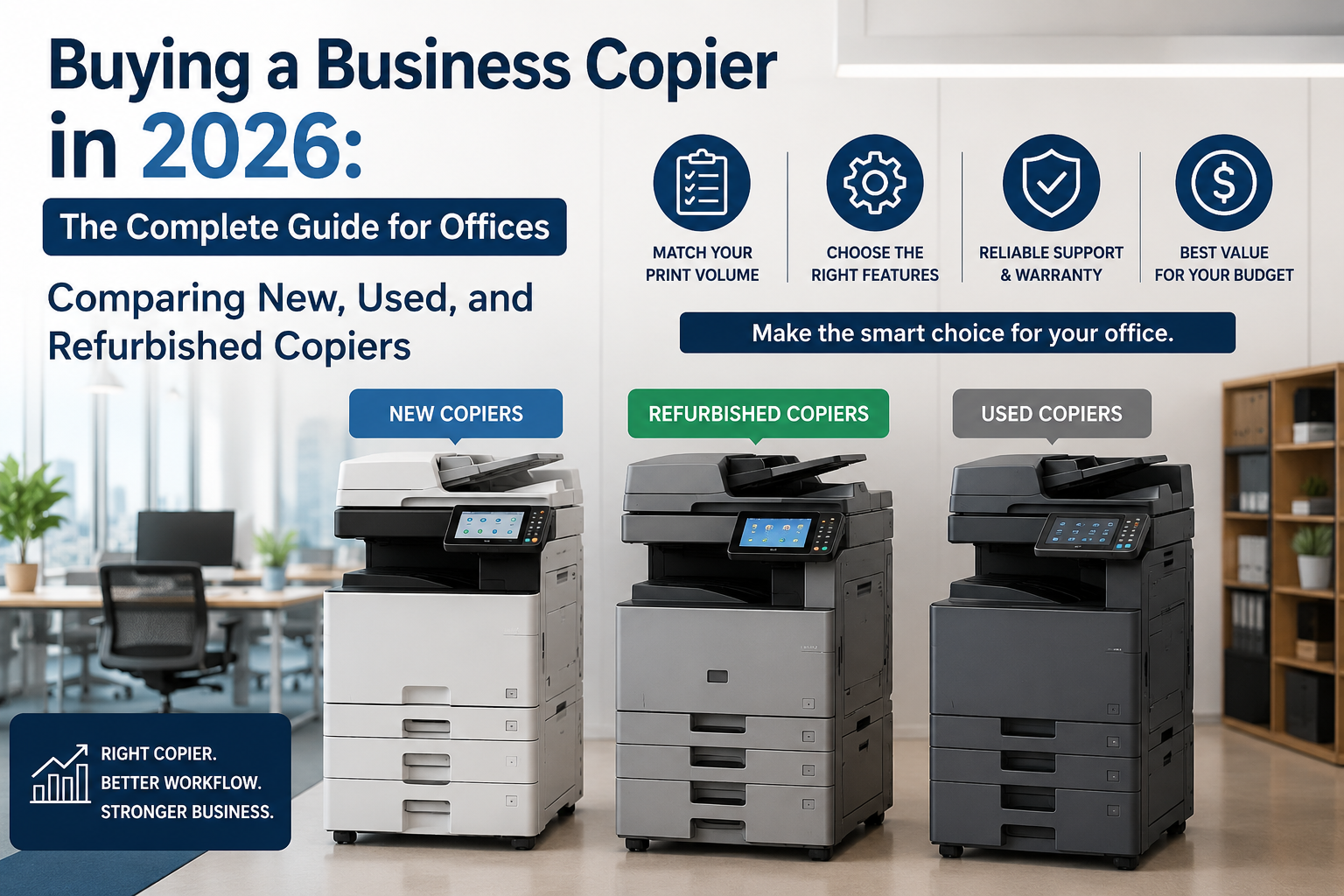
What Does “New Copier” Mean?
A new copier represents the pinnacle of technology and reliability in the office equipment market. Typically sourced from authorized dealers or manufacturers, a new copier comes with the latest features, ensuring maximum performance and efficiency. This option often includes a full warranty, providing buyers with peace of mind regarding service and maintenance.
In contrast to the new vs. used copier debate, the distinctions between new and refurbished models warrant careful consideration. While refurbished copiers can offer significant value, particularly if they are well-maintained, a poorly serviced used copier may lead to unexpected costs and operational disruptions. As a result, understanding the advantages of a new copier is essential for businesses seeking long-term reliability.
For those weighing options, a new copier is often seen as the best value office copier, particularly for organizations prioritizing longevity and consistent service. Ultimately, an informed choice hinges on a thorough used copier buying guide and an analysis of each option’s unique merits.
What Does “Used Copier” Mean?
Used copiers represent previously owned machines that have been utilized in various business settings. Their quality varies considerably based on several factors, including age, meter count, maintenance history, and parts condition. A used office copier may still perform well if it has been well-maintained, but it could also lead to unexpected maintenance costs if neglected. When considering whether to buy a used copier, prospective buyers should evaluate the machine’s operational history and condition carefully. A used business copier can be a cost-effective solution, especially for those with budget constraints. However, potential risks exist; without proper inspection prior to resale, a used commercial copier may not deliver the reliability needed for daily operations. Therefore, understanding these factors is essential for making an informed decision about whether one should buy a used copier, aligning it with the specific needs of the organization.
What Does “Refurbished Copier” Mean?
Refurbished copiers represent a significant step up from their used counterparts, as they undergo a rigorous process to guarantee peak functionality. Unlike typical used copiers, refurbished models are meticulously cleaned, tested, repaired, and prepared for business use. This attention to detail enhances reliability and longevity, making them a preferred choice for many organizations.
Key aspects of refurbished copiers include:
- Thorough Inspection: Each unit is examined for defects and operational efficiency.
- Comprehensive Repairs: Any faulty components are replaced, ensuring top performance.
- Quality Assurance: Post-refurbishment testing confirms that the copier meets industry standards.
In the debate of used vs refurbished copier, a refurbished office copier often emerges as the superior option, offering businesses a balance of cost-effectiveness and durability. For those considering a refurbished business copier, a well-informed refurbished copier buying guide can further clarify the benefits, making it an astute investment.
New Copier Pros and Cons
When evaluating copier options, new models present unique advantages and disadvantages that can greatly impact a business’s decision-making process. One notable benefit is the warranty, which typically covers repairs and maintenance, mitigating unexpected costs. Additionally, new copiers come equipped with the latest technology, ensuring optimal efficiency and access to advanced features that may be critical for modern workflows. Their predictable condition also offers certainty in performance, reducing the risk of operational disruptions.
However, the higher purchase price is a significant consideration. For businesses prioritizing budget constraints, this initial investment may seem overwhelming. New copiers are often ideal for those desiring reliable manufacturer support and cutting-edge functionalities. Ultimately, the decision to invest in a new copier should align with the business’s specific needs, balancing the desire for innovation against financial realities. This careful evaluation can lead to a more informed and strategic acquisition.
Used Copier Pros and Cons
Maneuvering the world of copiers presents various options, and choosing a used copier can be an appealing alternative for budget-conscious businesses. However, this choice comes with both advantages and disadvantages that warrant careful consideration.
- Lower Upfront Cost: Used copiers typically have a markedly reduced price compared to new models, making them accessible for tighter budgets.
- Immediate Availability: Often, used copiers can be obtained quickly without the lead times associated with new equipment.
- Potential for Higher Risks: The condition, service history, and parts availability can be uncertain, leading to unexpected maintenance costs.
Refurbished Copier Pros and Cons
While many businesses face the dilemma of choosing the right copier, opting for a refurbished model can provide a compelling blend of quality and value. Refurbished copiers often deliver commercial-grade performance at a markedly lower price than new models. This cost-effectiveness is particularly advantageous for businesses that require high-quality outputs without the financial burden of brand-new equipment.
However, the reliability of a refurbished copier largely hinges on the vendor’s reputation. Purchasing from a service-backed dealer guarantees that the copier has undergone rigorous testing and repairs, minimizing the risk of future maintenance issues. Conversely, acquiring a refurbished unit from a random seller may lead to unforeseen complications and additional costs.
Ultimately, while refurbished copiers can represent an excellent value proposition, it is essential for businesses to conduct thorough due diligence on the seller to maximize longevity and operational efficiency.
Which Option Has the Lowest Total Cost?
Which option truly offers the lowest total cost when it comes to copiers? The answer is often not straightforward, as the initial purchase price can be deceiving. A thorough analysis of total costs includes various factors that impact long-term expenses.
- Upfront Cost vs. Long-Term Maintenance: While used copiers may have a lower initial cost, they often incur higher repair costs and downtime, affecting productivity.
- Toner and Supplies: New models may feature more efficient technology that reduces toner usage, ultimately lowering supply costs over time.
- Service Contracts: Refurbished copiers, when properly maintained, often come with warranties and service agreements that mitigate unexpected expenses.
Which Type of Copier Is Best for a Small Business?
Determining the most suitable copier for a small business involves weighing various factors, particularly regarding features, cost, and reliability. Refurbished multifunction copiers often emerge as the best option, allowing businesses to access advanced functionalities without incurring the full price of new equipment. These copiers are thoroughly inspected and restored, ensuring they operate efficiently and reliably, thereby mitigating potential maintenance headaches that poorly maintained used copiers may present.
Conversely, while new copiers guarantee the latest technology and warranty support, they may not offer the cost-effectiveness small businesses require. Used copiers can provide savings but come with risks regarding their history and condition. Consequently, businesses must assess their specific needs, budget constraints, and the importance of long-term reliability. In many cases, a properly refurbished copier strikes a balance between quality and value, making it a compelling choice for small enterprises aiming for operational efficiency.
Which Type of Copier Is Best for High-Volume Offices?
What factors should high-volume offices consider when selecting a copier? High-volume offices require copiers that can handle demanding workloads while minimizing downtime. The following criteria are essential for making an informed decision:
- Speed and Capacity: Copiers should have a high pages-per-minute (PPM) rate and an adequate paper capacity to meet daily demands without frequent refills.
- Durability and Reliability: A robust build quality and proven reliability are critical to withstand continuous use, reducing the risk of breakdowns that can disrupt operations.
- Total Cost of Ownership: Beyond the initial purchase price, consider maintenance costs, energy efficiency, and the availability of consumables to guarantee long-term value.
Questions to Ask Before Buying Any Used or Refurbished Copier
High-volume offices often require copiers that can handle demanding workloads, but the decision to purchase a used or refurbished model brings its own set of considerations. Prospective buyers should inquire about the meter count, which indicates usage levels and potential lifespan. Understanding the age of the copier is vital; older models may lack modern features or efficiency. A thorough service history provides insight into past issues and maintenance quality. Warranty options are important for future protection against defects. Additionally, confirm the availability of toner and parts, as scarcity can lead to increased operational costs. Installation services and the responsiveness of support can greatly impact the copier’s performance and longevity. By addressing these key questions, businesses can make informed decisions that align with their operational needs while maximizing value.
Frequently Asked Questions
How Do Warranties Differ Between New, Used, and Refurbished Copiers?
Warranties for office copiers vary considerably between new, used, and refurbished models. New copiers typically come with extensive manufacturer warranties, often covering parts and labor for one to three years. Refurbished copiers may offer limited warranties, generally reflecting the refurbishing process’s quality, which can range from 30 days to a year. Used copiers, however, often lack warranties or provide minimal coverage, increasing the risk of unforeseen maintenance costs for buyers.
What Maintenance Costs Should I Expect for Each Copier Type?
Maintenance costs vary considerably among copier types. New copiers typically incur lower expenses due to warranties covering repairs and parts. Refurbished models, if properly refurbished, may have moderate costs, often supported by limited warranties. Conversely, used copiers can lead to unpredictable expenses, especially if previous maintenance was inadequate. Buyers should consider potential long-term costs, as a well-maintained refurbished copier can provide better value than a poorly maintained used model.
Can I Upgrade Features on a Used or Refurbished Copier?
Upgrading features on a used or refurbished copier is generally possible, depending on the model and its compatibility with available enhancements. Many manufacturers offer optional features such as additional paper trays, advanced scanning capabilities, or enhanced software. However, the extent of upgrades may be limited compared to new models. Buyers should assess the specific copier’s specifications and consult with a technician to determine feasible enhancements, balancing functionality with cost-effectiveness.
How Do I Assess the Reliability of a Refurbished Copier?
To assess the reliability of a refurbished copier, one should examine its service history, including any repairs and maintenance records. Checking for warranty options and the reputation of the refurbishing company is vital. Additionally, reviewing user feedback and performance metrics can provide insight into reliability. Conducting a thorough inspection of physical components and functionality is important to guarantee the copier meets operational standards and expectations for longevity and performance.
What Is the Average Lifespan of Each Copier Type?
The average lifespan of office copiers varies by type: new copiers typically last 5 to 7 years with proper maintenance, while refurbished models may offer a lifespan of 3 to 5 years, depending on their condition and care. Used copiers, if well maintained, can also last about 3 to 5 years, but their longevity is often unpredictable due to prior usage. Buyers must weigh these factors against their specific business needs and budget constraints.
Conclusion
To summarize, the decision between new, used, and refurbished copiers hinges on balancing cost, reliability, and specific business needs. New copiers provide cutting-edge technology and warranties, while used models offer significant savings with potential risks. Refurbished copiers present a middle ground, combining modern features with affordability. For small businesses, refurbished options often yield the best value, whereas high-volume offices may require the advanced capabilities of new models. Careful consideration of these factors will guide informed purchasing decisions.


